Fire safety: what can building renovations bring?

Fire safety: what can building renovations bring?

20 June 2018

After 18 months of legislative process, the amended Energy Performance of Buildings Directive (EU 2018/844) has been published in the EU Official Journal. Member States now have up to 20 months to transpose it into their national regulations.

The revised EPBD aims to fully leverage the potential contribution of the building sector to the EU’s long-term energy and climate objectives. It requires Member States to strengthen their long-term national renovation strategies to reach a “highly energy efficient and decarbonised building stock” by 2050, an objective that the Modern Building Alliance fully supports.

For the first time, fire safety is mentioned in two paragraphs of the EPBD:

Each Member State may use its long-term renovation strategy to address fire safety and risks related to intense seismic activity affecting energy efficiency renovations and the lifetime of buildings. (new article 2a, paragraph 7)

Member States shall encourage, in relation to buildings undergoing major renovation, high-efficiency alternative systems, in so far as this is technically, functionally and economically feasible, and shall address the issues of healthy indoor climate conditions, fire safety and risks related to intense seismic activity. (article 7 paragraph 5)

This reference to fire safety in the legislation is worth noting as it encourages more attention to be put on the area, along with other risks such as seismic activity.


Fire safety must be considered for all buildings during design, construction, renovation and operation

Like all safety aspects, this is covered by national building codes and a full range of other regulations. The EPBD now highlights that the renovation of a building is also an opportunity to enhance fire safety.

It is well known that old buildings have a poor energy performance, but they may also have obsolete gas and electrical installations and fire safety design. Transformations over the time, like changes in space distribution or addition of electrical equipments, may create higher risk situations.

With regard to electrical safety, new features may represent an increased risk and require a revision of the electrical installation. In the European Union, degraded or faulty electrical appliances make up 20 to 30% of all domestic fires. The majority of these are preventable. Simple precautions, like charging electric vehicles or e-bikes below a smoke detector, can make a difference.

To fully deliver on the objectives outlined in the EPBD, renovations will have to comply with the relevant building regulations and the products will have to meet the performance requirements defined by their specific applications. Ensuring the quality and compliance of renovation works with these rules and with producer guidelines is essential, to meet boththe expected level of safety and of energy performance.

When it comes to fire safety, the Modern Building Alliance encourages Member States to consider the following elements when transposing the directive within their own legislation:

  • The quality of the electrical and gas installation and appliances;
  • The presence of smoke detection mechanisms;
  • The quality of escape routes and compartmentation; and
  • The possibility of sprinklers in high-rise/high-risk buildings or for vulnerable occupants.


Fire safety should and can be improved beyond renovation strategies

Despite this development in the EPBD, legislators should realise that building features and renovation will not be enough to improve fire safety.

Protecting EU citizens, particularly those who are most vulnerable, against fire risks must be considered beyond renovation strategies alone. Therefore, the Modern Building Alliance supports the idea suggested by the European Copper Institute and the Federation for the Safety of Electricity Users (Fisuel) that fire and electrical safety should be part of the social dimension of EU energy policy, and be addressed together with energy poverty.

The most vulnerable people in our society, such as elderly and low-income households, are also less likely to see their housing renovated. The revised EPBD encourages Member States to particularly address energy poverty within their renovation strategies, which is positive as vulnerable people affected by energy poverty and safety poverty are the same. But we cannot rely solely on energy renovation to reduce their energy bills and improve their fire safety situation.

Fire prevention measures should develop faster than the renovation rate of maximum 2 or 3% per year. More emphasis should be placed on increasing prevention measures via public awareness programmes regarding fire risks, fire safety behaviours and basic fire safety features like smoke detectors. The Modern Building Alliance supports the work initiated by the Fire Information Exchange Platform (FIEP) on data and best practices which will also help Member States’ efforts in this regard.

As fire safety must be considered beyond renovation of buildings, we also support the European Fire Safety Alliance (EuroFSA) who is aiming to reduce fire risks at home. As explained by EuroFSA, we also believe that most of the residential fires are preventable and it is often the most vulnerable people that are affected. Significant improvements can be achieved by developing knowledge and raising awareness about this issue.


The Modern Building Alliance hopes that Member States will implement the EPBD in a way that grasps Europe’s energy efficiency potential. We also encourage them to work on fire safety improvements beyond renovation strategies to deliver safe and sustainable buildings for all citizens.

Additional reading

Download the directive here.

England: the Hackitt Report reviewing building regulations and fire safety is published

England: the Hackitt Report reviewing building regulations and fire safety is published

17 May 2018


The independent review led by Dame Judith Hackitt was commissioned by the British government following the Grenfell Tower fire to make recommendations on the future regulatory system. It has examined building and fire safety regulations and related compliance and enforcement with the focus on multi-occupancy high-rise residential buildings. An interim report was published on 18 December 2017 and the final report was published on 17 May 2018.

The report proposes a significant reassessment of the whole regulatory system covering high-rise and complex buildings, as well as how the system works in practice. It addresses important shortcomings in the current English system of building regulations and fire safety and recommends a new framework. This framework includes a clear model of risk ownership, which is largely outcomes-based (rather than based entirely on prescriptive routes). It also considers buildings as a system, using a risk-based approach and ensuring transparency of information as well as an audit trail.

The Modern Building Alliance welcomes this ambition; the thorough process which led to the recommendations featured in the report can only be supported. Compliance and enforcement of regulations is essential for fire safety and Dame Hackitt showed this has not worked properly in England, where non-compliant products could find their way through the system. The report concentrates on fixing the whole approach, to avoid such a situation in the future. This also provides important input to the EU Fire Information Exchange Platform established by the European Commission.

For high-rise buildings, testing the fire performance of facades is an essential component of the regulatory system. Having already identified that different large-scale testing methods are existing and applied by Member States, the European Commission is currently working on a harmonised test method. Considering facades as systems when specifying and assessing their performance regarding fire spread limitation is essential, regardless of the type of materials used.


Read more about fire safety in high- and medium-rise buildings here.

Additional reading

Read key reactions of stakeholders in the UK:

London Fire Brigade

Construction Products Association

Insulation Manufacturers Association

Download the full report here

The revised Energy Performance of Buildings Directive is fully adopted

The revised Energy Performance of Buildings Directive is fully adopted

14 May 2018

After the European Parliament on 17 April 2018, the Council adopted the revised directive on the Energy Performance of Buildings (EPBD) on 14 May 2018.

Following this formal approval of the regulation by the Council, which is the final step in the legislative process, the directive will be published in the Official Journal of the EU, and will enter into force twenty days later. The transposition period for this legislation is twenty months.

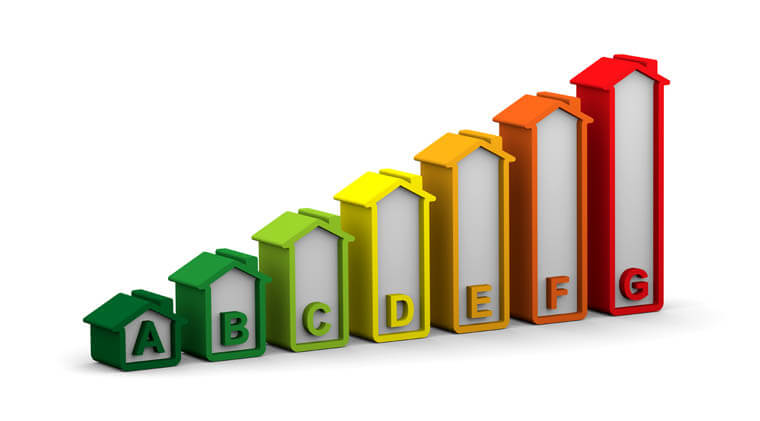
Buildings energy performance scale

Read our reaction on the final text following its adoption by the European Parliament here.

Additional reading

Read the press release of the Council here.

Download the revised directive here.